Author

admin

Browsing

Winter is here, and with it is coming a sizeable snow and ice storm that is expected to impact large swaths of the United States.

Millions of Americans are already under advisories for cold weather and dangerous ice conditions in addition to the oncoming snow. More than two dozen states are in the line of the developing storm, from Texas up through the Northeast, according to AccuWeather meteorologists.

The exact path of the storm isn’t yet clear. However, at present, it isn’t expected to have an impact on either of this weekend’s NFL playoff contests. The AFC and NFC championship games are being played in cities that are presently out of the predicted path of the storm.

Here’s what to know about the forecast for the AFC and NFC championship games as the United States gears up for a major winter storm.

Where is the AFC championship game?

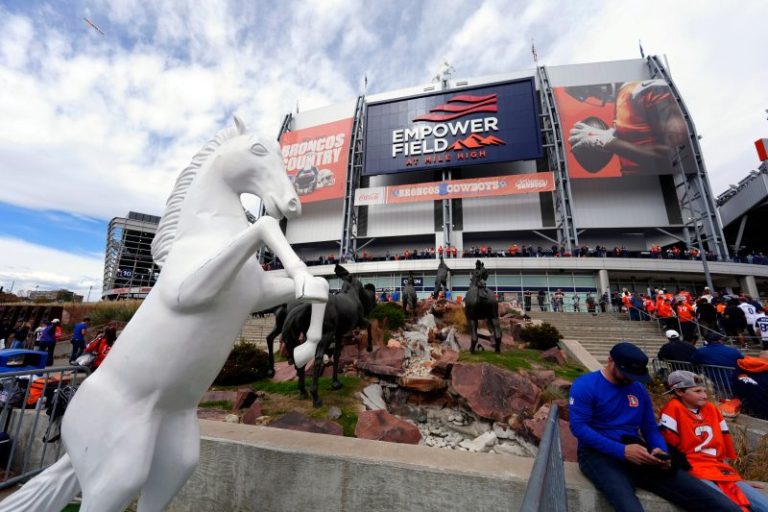
The AFC championship game is set to be in Denver this season. The Broncos earned the No. 1 seed in the AFC, so Empower Field at Mile High Stadium will be the site for their game against the New England Patriots.

The Broncos last hosted the AFC championship game during the 2015 NFL playoffs, which were played in 2016. It was 46 degrees with 6 mph of wind at kickoff of the contest, per Pro Football Reference, which Denver won 20-18 over New England.

AFC championship game weather forecast

Conditions for the AFC championship game in Denver are expected to be relatively benign, according to the National Weather Service (NWS).

Below is a full breakdown of the agency’s early-week forecast for the Jan. 25 game between the Broncos and Patriots:

  • High temperature: 31 degrees
  • Low temperature: 12 degrees
  • Chance of precipitation: TBD
  • Wind: TBD

The Broncos vs. Patriots game is scheduled to take place at 3 p.m. ET, which is 1 p.m. locally in Denver. Temperatures will be below freezing for Sunday’s game, but the lowest temperatures won’t happen until the evening.

As such, the teams will dodge the worst of Sunday’s cold while the band of snow crossing the country is not expected to impact the game. No precipitation is currently listed among the NWS forecast for Jan. 25.

Where is the NFC championship game?

The NFC championship game will be played in Seattle. The Seahawks earned the NFC’s No. 1 seed and have the right to host the conference title game after thrashing the 49ers 41-6 in the divisional round of the playoffs.

The Seahawks last hosted the NFC championship game during the 2014 NFL playoffs, which were contested in 2015. It was 52 degrees at kickoff with 15 mph winds blowing, according to Pro Football Reference.

The Seahawks beat the Packers 28-22 in overtime. Russell Wilson helped lead Seattle to a come-from-behind victory after Packers tight end Brandon Bostick failed to handle an onside kick late in regulation of the conference championship game.

NFC championship game forecast

Sunday’s NFC championship game will also be played amid mild conditions, according to the National Weather Service (NWS).

Below is a full breakdown of the agency’s early-week forecast for the Jan. 25 game between the Seahawks and Rams:

  • High temperature: 45 degrees
  • Low temperature: 34 degrees
  • Chance of precipitation: TBD
  • Wind: TBD

The NWS notes there is ‘a slight chance of rain before 10 p.m.’ but it isn’t yet clear whether that will intersect with the game.

The Seahawks vs. Rams game is set to kick off at 6:30 p.m. ET, which is 3:30 p.m. locally in Seattle.
This post appeared first on USA TODAY

  • he Yankees signed free-agent outfielder/first baseman Cody Bellinger to a five-year, $162.5 million contract.
  • The deal includes opt-outs after the second and third years of the contract, a full no-trade clause and a $20 million signing bonus.
  • If Bellinger opts out after the second year of the contract, he will have earned a nifty $85 million the first two years.

The New York Yankees got their man, and yes, at their price, too.

The Yankees signed free-agent outfielder/first baseman Cody Bellinger to a five-year, $162.5 million contract Wednesday morning, two officials with direct knowledge told USA TODAY Sports. The officials spoke on the condition of anonymity because the deal won’t become official until Bellinger passes his physical.

The deal includes opt-outs after the second and third years of the contract, a full no-trade clause and a $20 million signing bonus. If Bellinger opts out after the second year of the contract, he will have earned a nifty $85 million the first two years.

The average $42.5 million salary the first two years is $500,000 higher than Bo Bichette’s three-year, $126 million deal with the Mets, that includes an opt-out after each season.

It was actually during Bichette’s news conference in New York that the Yankees and agent Scott Boras agreed to Bellinger’s deal, setting off a frenzy in New York.

The Yankees, who refused to budge off their five-year proposal, insisted they would not get into a bidding war. They believed all along that no one would outbid them and provide Bellinger the seven-year deal he was seeking.

They proved to be right.

They never believed the rumors that the Mets were in on Bellinger, and once the Mets traded Tuesday night for Chicago White Sox center fielder Luis Robert, it only confirmed their belief.

The Philadelphia Phillies offered Bichette a seven-year, $200 million contract last week, but they had no interest in pivoting to Bellinger. It was the same with the Blue Jays, who offered Kyle Tucker a 10-year, $350 million contract before he went to the Dodgers, but weren’t going to give the same deal to Bellinger.

So, the Yankees waited, and waited, tweaked their five-year, $160 million offer little by little with opt-outs, a no-trade clause and then bumped up it by $5 million, before reaching their agreement.

Really, this is a deal that made sense all along.

Bellinger loved his season in New York, and the Yankees loved him right back.

The reality is that the Yankees had to have him.

They needed someone to protect Aaron Judge in the lineup with Juan Soto’s departure a year ago.

They needed his defense, his versatility, his left-handed bat and his ability to handle the pressure of New York.

If the Yankees didn’t sign re-sign Bellinger, their offseason could have been an unmitigated disaster. They had a few backup plans, but nothing that could have come close to replacing Bellinger.

Bellinger was the ideal fit, hitting .272 with 29 homers and 98 RBI in 152 games last season. In his last three seasons, he’s accumulated a 12 WAR, hitting .281 with an .818 OPS, averaging 24.3 homers and 91 RBI a year.

He’s also still just 30 years old, just 1 1/2 years older than Tucker, which is why he was seeking at least a seven-year contract in free agency.

It was a huge signing for the Yankees, who weren’t shy in telling the world that bringing Bellinger back was their No. 1 priority the entire winter.

Now, the question is what the Yankees do next?

They acquired Ryan Weathers from the Miami Marlins last week, but still need another starter. And with Bellinger in left field, Trent Grisham in center and Judge in right, they have a surplus of outfielders. They could use young outfielder Jasson Dominguez, their former No. 1 prospect, as trade bait.

They are one of the teams that have been in contact with the Milwaukee Brewers about ace Freddy Peralta, who earns just $8 million and is in the final year of his contract. They’re talking to other teams, too, and plenty of starters like Framber Valdez and Zac Gallen remain on the market.

Three weeks remain before spring training, but the Yankees, after watching the Toronto Blue Jays and Baltimore Orioles get better, are finally back in business.

The Yankees still may not be the team to beat in the AL East, but they can finally exhale.

They got the man they wanted, and most of all, needed all along.

Bellinger is back.

So are the Yankees’ World Series hopes.

Follow Nightengale on X @Bnightengale

This post appeared first on USA TODAY

The Milwaukee Brewers have traded pitcher Freddy Peralta to the New York Mets for a pair of top prospects.

The addition of Peralta adds an ace to the Mets’ pitching rotation and the move is expected to help keep New York competitive in the National League East, after finishing 13 games behind the Philadelphia Phillies for the top spot in the division in 2025.

The Mets’ pitching staff showed early signs of dominance in 2025, leading the league with a 2.32 ERA … before the team collapsed in the second half and missed the postseason with an 83-79 record.

The team finished out the final 92 games with a 38-54 record. Kodai Senga dealt with injuries, which limited his availability. Clay Holmes made the transition to a starter after spending time coming out of the bullpen.

Here’s grades for the Freddy Peralta deal:

Freddy Peralta trade grades:

Mets

The trade provides not only another big name to the roster − Peralta was a 2025 All-Star and is held in high regard for his fastball and his strikeout ability. The 29-year-old Dominican pitcher has reached over 200 strikeouts and over 30 starts in three consecutive seasons.

The Mets also received pitcher Tobias Myers in the deal.

Grade: A

Brewers

The Brewers added two of the Mets’ top prospects to their system. 

Jett Williams was the 14th overall pick in the 2022 MLB Draft, having spent the past four seasons playing at various levels of the minor leagues. He has not yet played at the major league level. Williams, who was ranked as the Mets’ No. 3 prospect by MLB.com, has shown the ability to play multiple positions, including shortstop, second base and outfield.

Brandon Sproat obviously doesn’t have the level of experience that was lost by sending Peralta away, but he’s a highly-regarded pitching prospect (ranked as the Mets’ No. 5 prospect, per MLB.com). Sproat has played in four major league games for the Mets. He has an 0-2 record.

Grade: B-

This post appeared first on USA TODAY

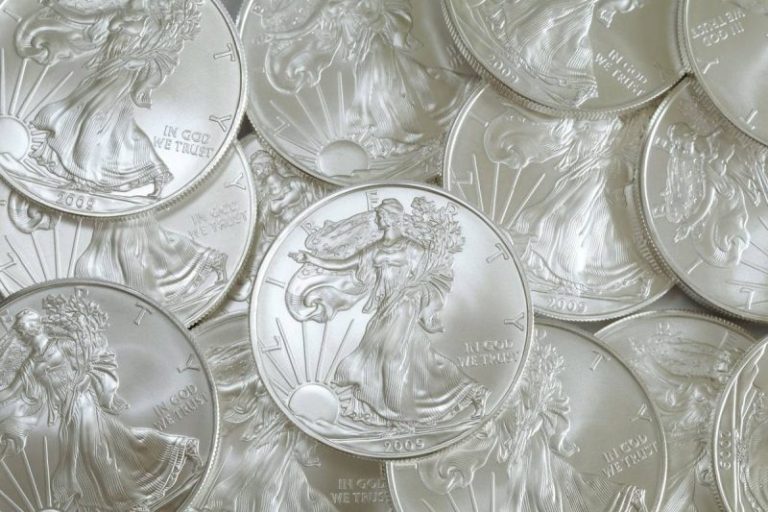
The US is among the world’s top silver producers, recording output of 1,100 metric tons in 2024.

While that’s far below first-place Mexico’s production of 6,300 metric tons of silver, the US is still a major producer of the precious metal, and is likely to remain a key source moving forward. However, few mines in the US are primary silver producers — much of the silver in the country is produced as a by-product of gold mining, and it can also be found with metals like copper and zinc.

So where exactly is silver produced in the US, and which companies are mining it? Alaska is the leading silver-producing state, followed by Nevada and Idaho. America’s three largest primary silver mines by production are the Greens Creek mine in Idaho, the Rochester mine in Nevada and the Lucky Friday mine in Alaska.

Read on for an overview of the three largest US silver producers by market cap.

Data for the stocks listed was current as of January 15, 2026.

1. Hecla Mining Company (NYSE:HL)

Market cap: US$16.91 billion

Hecla Mining operates the Greens Creek and Lucky Friday silver mines in Alaska and Idaho. Greens Creek is the United State’s largest silver mine. In addition to being a major silver miner in the US, Hecla also has mines in Canada, with the Keno Hill silver operation in the Yukon Territory and Casa Berardi gold-silver mine in Québec. Additionally, Hecla has a variety of exploration projects across North America.

In its 2024 results, Hecla reported silver reserves of 240 million ounces, silver production of 16.2 million ounces and a record US$929.9 million in total sales. The majority of Hecla’s 2024 silver production was derived from its Greens Creek and Lucky Friday mines, which produced 8.48 and 4.89 million ounces respectively.

Hecla’s 2025 production guidance stands at 16.2 million to 17 million ounces, with the vast majority expected to come from its US operations. In Q3 2025, the company produced 4.59 million ounces of silver, and 13.22 million ounces through the first nine months of the year.

‘Our third quarter results represent a defining moment for Hecla, with record-breaking performance across a number of key financial metrics,’ Rob Krcmarov, Hecla’s president and CEO, said in its Q3 results. ‘Greens Creek continues to exceed expectations, Keno Hill has delivered three consecutive quarters of profitability under our ownership, Lucky Friday maintained consistent production while advancing the surface cooling project, and Casa Berardi’s cost trajectory is improving.’

2. Coeur Mining (NYSE:CDE)

Market cap: US$13.58 billion

Coeur Mining describes itself as a growing precious metals producer with four producing mines in the Americas. Its major silver-producing operation in the US is the Rochester silver-gold mine in Nevada. Its other US mines are the Kensington gold mine in Alaska and Wharf gold mine in South Dakota, with Wharf also producing silver as a by-product.

In Mexico, Couer owns the Palmarejo silver-gold complex in Chihuahua and the Las Chispas silver-gold mine in Sonora. Coeur added Las Chispas to its portfolio when it acquired SilverCrest in early 2025. Coeur is also advancing work at its Silvertip silver-zinc-lead project in British Columbia, Canada.

For 2024, Rochester’s silver production totaled 4.38 million ounces, falling slightly shy of its 2024 guidance of 4.8 million to 6.6 million ounces, while Coeur’s full silver production across its operations totaled 11.4 million ounces.

As of Q3 2025, Coeur’s 2025 silver production guidance stood at 18.1 million ounces, with Rochester expected to produce 6 million to 6.7 million ounces of silver. In the first nine months of the year, Coeur produced 13.2 million ounces of silver across its operations, with Rochester accounting for 4.38 million ounces.

“Coeur delivered another quarter of record financial results, driven by higher prices, balanced contributions from all five of our North American gold and silver operations along with overall strong cost control,” President and CEO Mitchell J. Krebs said in the release. “Las Chispas experienced a particularly strong quarter, with the team continuing to exceed expectations in just its second full quarter of operations with the Company.”

3. Americas Gold and Silver (NYSEAMERICAN:USAS)

Market cap: C$1.69 billion

Americas Gold and Silver is mining for silver in the US and Mexico. The company has two producing assets: the Galena Complex in Idaho, which produces silver, copper and antimony, and the Cosalá operation in Mexico. It also owns the Relief Canyon mine in Nevada, currently on care and maintenance, and the newly acquired, past-producing Crescent silver mine, located 9 miles from Galena in Idaho.

In December 2024, the company consolidated full ownership of Galena when it acquired the outstanding 40 percent interest from an affiliate of Eric Sprott and Paul Andre Huet. As part of the deal, Sprott acquired a significant interest in the company, and Huet was appointed its CEO and Chairman. Americas stated that its benefits from 100 percent ownership in the property include streamlined decision making and a focused vision for Galena.

The company has been working on expansion efforts at Galena since early 2024. In its 2024 results, Americas Gold and Silver reported attributable silver production from Galena of approximately 1.5 million ounces compared to 1.6 million ounces the previous year.

In September 2025, Americas completed the first upgrade on Galena’s No 3 shaft ahead of schedule, improving productivity. In its Q3 results, the company reported 2025 year-to-date production of 1.9 million ounces of silver.

In December, the company completed the acquisition of the past-producing Crescent silver mine near Galena. The historic resource at the site demonstrates mineralization similar to that at Galena, with the potential to add 1.4 million to 1.6 million ounces of silver annually.

In an operational update in January 2026, the company said development of Crescent was progressing rapidly and it was aiming for a mid-2026 restart of operations.

“This rapid execution is an excellent start to our plan to establish best-in-class operations at Crescent. We’re poised to unlock multiple synergies with our neighbouring Galena Complex from procurement savings and equipment sharing to G&A efficiencies and spare processing capacity,’ Chairman and CEO Huet stated.

Securities Disclosure: I, Dean Belder, currently hold a small investment in Hecla Mining, but do not hold investments in any other company mentioned in this article.

This post appeared first on investingnews.com

As calls grow to modernize America’s aging retirement system, Franklin Templeton is positioning blockchain as the key to the next evolution of asset management infrastructure.

In a recent survey of 52 leading retirement industry entities, the global investment firm found near-universal agreement that modernization is urgent. This discovery underscores structural inefficiencies across the US retirement landscape, from legacy administration and fragmented data systems to outdated product delivery models.

In a summary statement accompanying the results of the report, Crossley maintained that “the next phase of modernization won’t just digitize existing systems — it will redefine them.”

US retirement system at inflection point

The executives interviewed, who are responsible for roughly US$18 trillion in assets, described legacy infrastructure as fragmented, inefficient and ill-suited to modern employment patterns and participant expectations.

“We expected (a) debate about the pace of change or which innovations to prioritize. Instead, we heard near-universal agreement that … incremental improvements won’t be enough,’ he continued.

“One participant told us the legacy infrastructure needs to be burned down and built up from scratch. When industry leaders … are that candid about structural deficiencies, it signals we’ve reached a genuine inflection point.”

Crossley explained that there are three forces driving urgency:

  • Traditional safety nets are eroding as Social Security faces funding pressure and defined benefit pensions fall. The expert told INN that defined benefit pensions have shrunk from 68 percent of retirement assets in the mid-1970s to around 28 percent today.
  • Job tenure has shortened dramatically, with Gen Z averaging less than three years per role versus nearly a decade for older cohorts, breaking systems built around long-term work at a single entity.
  • Neobrokers and fintech platforms are increasing the competitive pressure on established companies, attracting younger investors and entering the retirement product market.

How blockchain solves for operational efficiency

While blockchain adoption in retail investment remains gradual, enterprise-level integrations have advanced steadily in recent years. Franklin Templeton itself has issued tokenized money market funds and piloted on-chain share registries.

“Intraday yield enables proportional calculation and distribution of yield, down to the second, when a tokenized security is transferred from one party to another — only made possible by blockchain innovation.”

The firm’s latest research suggests that the same efficiencies could underpin large-scale retirement solutions.

“The core problem in the industry is fragmentation,” Crossley said.

“Retirement data sits in silos across record keepers, plan sponsors, asset managers and benefits administrators, all running separate ledgers that require constant reconciliation,’ he continued, noting that blockchain provides a solution by creating a single shared record that every authorized participant can access simultaneously.

“Beyond that, tokenization allows us to embed rules directly into assets,” Crossley added. “A participant’s 401(k) contribution, their benefits elections (and) their employer match formula can all become programmable contracts that execute automatically. That’s not something a conventional database upgrade can replicate.”

Crossley pointed out that the bulk of retirement administration remains mired in costly, duplicative processes that fail to add value, with record keepers spending about US$12 billion a year servicing plans.

“Blockchain collapses that into a single shared record. When a contribution post or a benefits claim (is processed), every authorized party sees identical data simultaneously,’ he emphasized.

“Smart contracts take it further by automating routine administration. A participant’s contribution rate, investment election and match formula can be encoded into a self-executing contract. The blockchain monitors incoming payroll data and triggers the appropriate actions without manual intervention.”

From account to wallet

As regulatory frameworks mature and data security protocols strengthen, institutional players appear more willing to explore blockchain-based modernization at a broader scale.

If Franklin Templeton’s vision takes hold, the shift from “account to wallet” could mark one of the biggest operational revolutions in retirement management since the 401(k) was introduced nearly half a century ago.

“A wallet-based model consolidates that view. Your retirement contributions, benefits elections and employer match terms become tokens held in a single digital wallet that you control and carry with you across jobs.’

He noted that custodians and asset managers would have to rethink delivery.

‘Instead of being product manufacturers pushing funds into accounts, they become service providers operating within a networked ecosystem where the participant’s wallet is the central hub,’ Crossley said.

Barriers, challenges and regulatory engagement

Despite the promise, Crossley acknowledged that implementation roadblocks still lay ahead.

“Culture may be the steepest climb. The retirement industry has been conditioned by litigation risk to avoid anything nonstandard. Fiduciaries default to the cheapest, most common options because doing something different invites lawsuits. That mindset has to shift before any technology gains traction,’ he said.

“On the technical side, many record keepers still operate on mainframe systems built decades ago. Extracting and standardizing that data for migration is a massive undertaking,’ Crossley continued. In his view, regulatory clarity would be helpful in speeding up adoption, but internal barriers are hindering established franchies.

Franklin Templeton actively engages with regulators worldwide through sandboxes, hearings and white papers to align blockchain innovations with fiduciary standards while fostering investor protection and market growth.

“Our goal is to help build a regulatory environment where new technologies can thrive safely and transparently, unlocking the benefits of blockchain for institutions and individuals alike,’ he said.

‘By working together, we’re not just advancing our own capabilities; we’re helping to set the standard for a more open, resilient and trustworthy financial ecosystem,’ Crossley added. “We believe that the best regulatory frameworks don’t just safeguard investors; they also create the conditions for growth, experimentation and broader participation.”

The future of retirement systems

Crossley envisions a future where tokenized retirement systems operate seamlessly behind the scenes.

“Imagine a system where your retirement plan follows you across every job without paperwork, where your benefits selections automatically adjust when your circumstances change and where an AI-powered assistant actively optimizes your contributions, benefits usage and purchasing power in real time,’ he said.

“Tokenization makes that possible because it transforms static account records into programmable assets. Your 401(k) allocation, your HSA and your employer match formula all become smart contracts that execute automatically based on your preferences and life events. The end state is a retirement system that works continuously in the background rather than something you revisit once a year during open enrollment.”

Franklin Templeton sees gradual progress leading to meaningful adoption within three to five years.

He also noted that some forward-leaning providers are already testing wallet-based delivery for select participant groups. For example, Fidelity Investments offers Bitcoin exposure in 401(k)s via its digital assets account with up to 20 percent allocation and risk controls, while JPMorgan Chase’s (NYSE:JPM) Kinexys supports tokenized fund shares for automated rebalancing and collateral on permissioned networks. US provider ForUsAll enables up to 5 percent crypto self-directed windows via Coinbase Institutional in its Alt401(k) plans for small businesses.

“The question isn’t whether this shift happens,” said Crossley. ‘But whether incumbent players lead it or find themselves responding to competitors who moved first.”

Securities Disclosure: I, Meagen Seatter, hold no direct investment interest in any company mentioned in this article.

This post appeared first on investingnews.com

Viking Mines Ltd (ASX: VKA) (“Viking” or “the Company”) is pleased to announce that it has completed a strategic acquisition of a comprehensive historical technical dataset covering the Linka Project in Nevada, USA. The dataset was purchased for US$35,000 (~A$50,000) and contains extensive records that is estimated to cost in excess of A$1.0 million to replicate at current market rates.

  • Historical dataset acquired representing ~2,816m of historical drilling for a nominal amount of its replacement value.
  • Data includes records for 68 drillholes (8 Diamond and 60 Percussion) across the Linka, Hillside, and Conquest targets.
  • The acquisition provides a major technical shortcut, potentially saving months of field work and significant exploration capital.
  • Extensive historical mapping and cross sections identify high-grade targets and underground workings, enabling rapid 3D geological modelling.
  • The information supports the immediate planning of validation drilling aimed at bringing historical data up to JORC standards.

The acquired data includes high-quality scans of cross-sections and maps from the late 1970s. This information is critical for understanding the location of high-grade zones of the Linka tungsten system without the need to ‘re-discover’ known mineralisation.

Commenting on the historical data acquisition, Viking Mines MD & CEO Julian Woodcock said:

“Sourcing this extensive dataset substantially shortcuts the time required to advance the Linka Project, reduces the capital outlay required and reduces the exploration risk.

“We are extremely fortunate to have been able to source this information and have commenced with converting the information into digital format to bring into 3D geological modelling software.

“Upon completion of the airborne survey at the Project we will have the necessary ground features to accurately georeference the historical maps and sections to allow us to extract the drillhole collar information and build a drillhole database.

“I look forward to interrogating the data and releasing to market as we complete the digitisation process.”

Click here for the full ASX Release

This post appeared first on investingnews.com

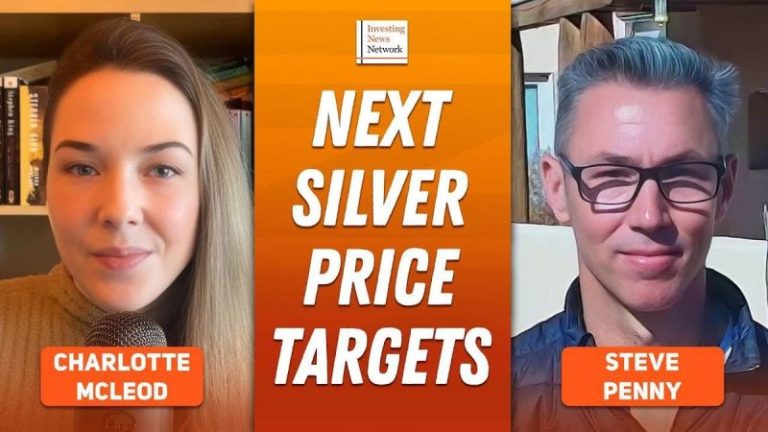
Steve Penny, founder of SilverChartist.com, shares his thoughts on silver’s price breakout and next move, as well as the gold, platinum, uranium and oil markets.

‘In 1979, silver went up 700 percent, 8X in 12 months. I think that moment still lies ahead,’ he said.

Securities Disclosure: I, Charlotte McLeod, hold no direct investment interest in any company mentioned in this article.

This post appeared first on investingnews.com

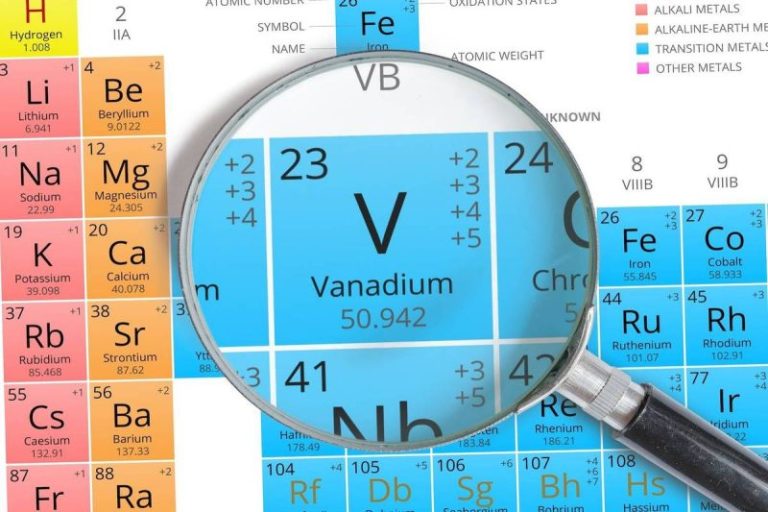
The vanadium market remained subdued in H1 2025, weighed down by persistent oversupply and weak usage from the steelmaking sector, even as new demand avenues like energy storage gained attention.

Price data shows that vanadium pentoxide in major regions such as the US, China and Europe traded in roughly the US$9,300 to US$13,000 per metric ton range in Q1 and Q2, with no dramatic price spikes. Modest support was provided by demand for vanadium redox flow batteries (VRFBs) and stricter Chinese rebar standards.

Producers reported ongoing pressure on prices and profitability, with oversupply from China and Russia continuing to temper upward momentum and buyers delaying purchases amid resilient feedstock availability.

At the same time, vanadium’s role in long‑duration energy storage, particularly VRFBs, emerged as a potential growth driver as the year progressed, hinting at deeper structural demand beyond traditional industrial uses.

“The expected growth in vanadium demand from VRFBs as an energy storage solution at the grid-level represents a bright future for increased consumption,” a July CRU report reads. “However, the present reality is vanadium consumption is still dominated by use as a ferroalloy (ferrovanadium and vanadium nitride).”

Vanadium market to see structural change?

As 2025 progressed, the vanadium market continue to grapple with weakness as steel production demand struggled to absorb available supply and the broader metals complex remained in the doldrums.

Vanadium pentoxide prices stayed under pressure in most regions, with figures from the second quarter showing US prices near US$9,584, and Chinese prices around US$8,655, reflecting tepid buying activity and ongoing oversupply, even as emerging applications such as VRFBs sustained pockets of interest.

As mentioned, a key factor has been sluggish steel sector demand. Globally, crude steel production has weakened, particularly in China — historically the largest vanadium consumer — slowing vanadium’s traditional core market as rebar and structural steel consumption softened amid broader economic headwinds.

Although new Chinese rebar standards introduced earlier in 2025 mandate higher vanadium intensity in steel, anticipated increases in consumption have only partially materialized, leaving producers competing for limited contracts and putting downward pressure on average ferrovanadium and vanadium pentoxide prices.

At the same time, market participants reported that producers were cutting output and tightening supply in response to persistent low pricing. Several companies in China and the west curtailed production or deferred capital projects, indicating that margins were strained and cost discipline was becoming an industry imperative.

Global vanadium production has been declining since 2021, when the US Geological Survey reported total global output of 105,000 metric tons; that’s compared to 2024’s 100,000 metric tons.

Emerging vanadium demand from energy storage

Despite headwinds, structural changes in vanadium demand were evident in H2 2025.

VRFBs continued to gain momentum as more utility‑scale projects were announced and commissioned. The technology’s appeal lies in its scalability, long cycle life and safety profile compared to conventional lithium‑ion systems; installations in China, Japan and North America point to a slowly growing pipeline of demand outside steel.

Industry analysts have noted that vanadium demand from VRFBs could nearly triple by 2040 as long‑duration storage becomes a more integral part of renewable power grids, even if these applications currently represent a small fraction of total consumption. In China alone, installations of large‑scale VRFB systems were projected to consume tens of thousands of metric tons of vanadium pentoxide equivalent in 2025, offsetting some weakness in steel alloying use.

This bifurcation — weak traditional demand versus nascent battery demand — typified H2, producing a market where prices remained subdued, but underlying interest in new applications suggested a shift in fundamentals.

All eyes on Australia’s vanadium potential

Although US Geological Survey data shows Australia doesn’t currently produce vanadium, the nation holds the largest recorded vanadium reserves at more than 8.5 million metric tons.

Looking to tap this potential, the country has focused its attention on the industrial metal.

In January 2025, Australian Vanadium (ASX:AVL,OTCPL:ATVVF) received environmental approval from Western Australia for the Gabanintha vanadium project. The approval, granted by Minister for Environment Reece Whitby under section 45 of the Environmental Protection Act 1986 (WA), cleared the way for construction and production.

Shortly afterwards, the company’s namesake Australian Vanadium project, located in Western Australia’s Murchison province, earned a green energy major project designation.

The Queensland government has also invested in expanding refinement and processing capacity. Last May, construction began at Queensland’s first resources common user facility at the Cleveland Bay Industrial Park in Townsville.

The facility is designed to support the development, extraction and production of critical minerals, enabling the creation of mineral samples at scale and serving as a testing hub for commercializing production processes.

The government has identified vanadium as the initial focus, highlighting its key role in renewable energy applications.

In November, Western Australia launched a AU$150 million vanadium battery energy storage system project, aiming to make the state a leader in renewable energy and energy storage.

The 50 megawatt/500 megawatt-hour flow battery will use locally sourced and processed vanadium, and is expected to be the largest of its kind in Australia, supporting advanced manufacturing and a domestic supply chain.

Growing energy storage demand meets tightening supply

Looking ahead, analysts forecast that vanadium dynamics will begin to tilt in favor of tighter supply and strengthened pricing, though the timing and pace remain contingent on several variables.

A combination of reduced output and rising consumption — particularly from VRFBs — is expected to push the market toward a deficit by late 2026, encouraging a gradual recovery in vanadium prices.

Central to that shift is the energy transition. Demand for vanadium in long‑duration energy storage is projected to rise sharply as utilities and grid operators seek cost‑effective solutions to buffer renewables and stabilize electricity systems.

The vanadium market’s long‑term promise is underpinned by projections that VRFB deployment could grow at double‑digit rates, even as the bulk of demand remains tied to steel alloying.

On the supply side, a cautionary mood among producers — reflected in delayed project developments and tighter output discipline — may limit new material flowing onto the market in 2026.

With prices remaining below historical averages, many potential expansions are unbankable in the current price environment, meaning that new supply additions are likely to be limited absent a sustained price uptick.

“Vanadium market prices are likely to rise from late 2026, supported by tightening supply and growing demand from VRFBs. With weak prices in 2024 and 2025, driven by sluggish steel demand, vanadium producers have curbed output,” a CRU report published this past December notes.

Analysts at CRU project a late-year rebound, but caution that demand could triple by 2040 far outpacing production.

“Meanwhile VRFB demand is accelerating, evidenced by robust vanadium electrolyte project pipeline,” the firm’s report continues. “Rising demand will quickly run into depressed production, where prices will need to increase to support higher utilisation rates in mid-to late 2026.”

Securities Disclosure: I, Georgia Williams, hold no direct investment interest in any company mentioned in this article.

This post appeared first on investingnews.com

After an amazing college football season, the votes in the final US LBM Coaches Poll have been cast. Indiana has finished No. 1 in the rankings following its defeat of Miami in the College Football Playoff national championship game.

The Hurricanes finished second after their impressive run through the postseason that fell just short of a national champion. The rest of the final poll saw several changes due to the results of bowl season. Only one team besides Indiana stayed in the same place as the final regular-season poll.

So how did the vote shake out among the final rankings? Below are each of the ballots from all 62 coaches who participated on the panel for the last Top 25 poll of the 2025 college football season.

Tim Albin, Ohio

  1. Indiana
  2. Miami (Fla.)
  3. Oregon
  4. Mississippi
  5. Georgia
  6. Ohio State
  7. Texas Tech
  8. Texas A&M
  9. Notre Dame
  10. Alabama
  11. Oklahoma
  12. Brigham Young
  13. Utah
  14. Texas
  15. Vanderbilt
  16. Virginia
  17. Navy
  18. James Madison
  19. Tulane
  20. North Texas
  21. Houston
  22. Georgia Tech
  23. Southern California
  24. Iowa
  25. SMU

Dave Aranda, Baylor

  1. Indiana
  2. Miami (Fla.)
  3. Mississippi
  4. Georgia
  5. Oregon
  6. Ohio State
  7. Texas A&M
  8. Texas Tech
  9. Alabama
  10. Oklahoma
  11. Brigham Young
  12. Notre Dame
  13. Utah
  14. Texas
  15. Vanderbilt
  16. Washington
  17. Illinois
  18. Virginia
  19. Iowa
  20. Tulane
  21. Houston
  22. Navy
  23. TCU
  24. Arizona
  25. Duke

David Braun, Northwestern

  1. Indiana
  2. Miami (Fla.)
  3. Mississippi
  4. Oregon
  5. Ohio State
  6. Georgia
  7. Texas Tech
  8. Alabama
  9. Texas A&M
  10. Oklahoma
  11. Notre Dame
  12. Brigham Young
  13. Utah
  14. James Madison
  15. Tulane
  16. Iowa
  17. Vanderbilt
  18. Texas
  19. Michigan
  20. Virginia
  21. Illinois
  22. Southern California
  23. Duke
  24. North Texas
  25. Navy

Jeff Brohm, Louisville

  1. Indiana
  2. Miami (Fla.)
  3. Mississippi
  4. Oregon
  5. Ohio State
  6. Georgia
  7. Texas Tech
  8. Texas A&M
  9. Alabama
  10. Oklahoma
  11. Brigham Young
  12. Notre Dame
  13. Texas
  14. Utah
  15. Virginia
  16. Iowa
  17. Vanderbilt
  18. James Madison
  19. Tulane
  20. TCU
  21. SMU
  22. Houston
  23. Illinois
  24. Duke
  25. Louisville

Fran Brown, Syracuse

  1. Indiana
  2. Miami (Fla.)
  3. Mississippi
  4. Oregon
  5. Georgia
  6. Oklahoma
  7. Ohio State
  8. Texas A&M
  9. Alabama
  10. Notre Dame
  11. Texas Tech
  12. Texas
  13. Vanderbilt
  14. Duke
  15. Virginia
  16. Brigham Young
  17. Utah
  18. Southern California
  19. Arizona
  20. Tulane
  21. Houston
  22. Georgia Tech
  23. James Madison
  24. Iowa
  25. North Texas

Troy Calhoun, Air Force

  1. Indiana
  2. Georgia
  3. Ohio State
  4. Oregon
  5. Miami (Fla.)
  6. Mississippi
  7. Texas Tech
  8. Texas
  9. Texas A&M
  10. Alabama
  11. Oklahoma
  12. Notre Dame
  13. Brigham Young
  14. Utah
  15. Iowa
  16. Vanderbilt
  17. Houston
  18. Michigan
  19. Tulane
  20. Virginia
  21. Georgia Tech
  22. North Texas
  23. Navy
  24. Washington
  25. Illinois

Jason Candle, Toledo

  1. Indiana
  2. Miami (Fla.)
  3. Mississippi
  4. Georgia
  5. Ohio State
  6. Oregon
  7. Texas Tech
  8. Texas A&M
  9. Notre Dame
  10. Alabama
  11. Oklahoma
  12. Brigham Young
  13. Utah
  14. Texas
  15. Tulane
  16. James Madison
  17. Virginia
  18. Iowa
  19. Vanderbilt
  20. Houston
  21. Southern California
  22. Michigan
  23. Illinois
  24. SMU
  25. Navy

Ryan Carty, Delaware

  1. Indiana
  2. Miami (Fla.)
  3. Mississippi
  4. Oregon
  5. Georgia
  6. Alabama
  7. Texas Tech
  8. Texas A&M
  9. James Madison
  10. Tulane
  11. Notre Dame
  12. Brigham Young
  13. Texas
  14. Utah
  15. Virginia
  16. Iowa
  17. Houston
  18. Navy
  19. North Texas
  20. Vanderbilt
  21. Georgia Tech
  22. Michigan
  23. Arizona
  24. Southern California
  25. Illinois

Jamey Chadwell, Liberty

  1. Indiana
  2. Miami (Fla.)
  3. Oregon
  4. Ohio State
  5. Mississippi
  6. Georgia
  7. Texas Tech
  8. Alabama
  9. Texas A&M
  10. Oklahoma
  11. Notre Dame
  12. Texas
  13. Utah
  14. James Madison
  15. Tulane
  16. Brigham Young
  17. Vanderbilt
  18. Michigan
  19. Virginia
  20. Navy
  21. Illinois
  22. Iowa
  23. Houston
  24. SMU
  25. North Texas

Bob Chesney, James Madison

  1. Indiana
  2. Miami (Fla.)
  3. Mississippi
  4. Oregon
  5. Georgia
  6. Ohio State
  7. Texas Tech
  8. Texas A&M
  9. Notre Dame
  10. Brigham Young
  11. Texas
  12. Alabama
  13. Oklahoma
  14. Utah
  15. Virginia
  16. Vanderbilt
  17. Southern California
  18. Michigan
  19. James Madison
  20. Tulane
  21. Navy
  22. Houston
  23. Iowa
  24. Illinois
  25. Duke

Curt Cignetti, Indiana

  1. Indiana
  2. Miami (Fla.)
  3. Oregon
  4. Mississippi
  5. Ohio State
  6. Georgia
  7. Notre Dame
  8. Texas
  9. Texas A&M
  10. Texas Tech
  11. Iowa
  12. Alabama
  13. Oklahoma
  14. Brigham Young
  15. Utah
  16. Illinois
  17. Michigan
  18. Washington
  19. Vanderbilt
  20. TCU
  21. Southern California
  22. SMU
  23. Arizona
  24. Houston
  25. James Madison

Chris Creighton, Eastern Michigan

  1. Indiana
  2. Miami (Fla.)
  3. Mississippi
  4. Oregon
  5. Ohio State
  6. Georgia
  7. Alabama
  8. Texas A&M
  9. Texas Tech
  10. Oklahoma
  11. Notre Dame
  12. Brigham Young
  13. Vanderbilt
  14. Utah
  15. James Madison
  16. Tulane
  17. Southern California
  18. Virginia
  19. Georgia Tech
  20. Arizona
  21. Texas
  22. Houston
  23. Navy
  24. North Texas
  25. Michigan

Spencer Danielson, Boise State

  1. Indiana
  2. Miami (Fla.)
  3. Ohio State
  4. Mississippi
  5. Oregon
  6. Georgia
  7. Texas Tech
  8. Texas A&M
  9. Notre Dame
  10. Alabama
  11. Brigham Young
  12. Texas
  13. Oklahoma
  14. Utah
  15. Southern California
  16. Iowa
  17. Vanderbilt
  18. Virginia
  19. Houston
  20. James Madison
  21. Tulane
  22. North Texas
  23. Michigan
  24. Washington
  25. Navy

Ryan Day, Ohio State

  1. Indiana
  2. Miami (Fla.)
  3. Mississippi
  4. Oregon
  5. Ohio State
  6. Georgia
  7. Texas Tech
  8. Alabama
  9. Oklahoma
  10. Texas A&M
  11. Brigham Young
  12. Notre Dame
  13. Texas
  14. Utah
  15. Virginia
  16. Iowa
  17. Vanderbilt
  18. Southern California
  19. Arizona
  20. Tulane
  21. Houston
  22. Georgia Tech
  23. Michigan
  24. Illinois
  25. North Texas

Kalen DeBoer, Alabama

  1. Indiana
  2. Miami (Fla.)
  3. Mississippi
  4. Oregon
  5. Ohio State
  6. Georgia
  7. Alabama
  8. Texas Tech
  9. Texas A&M
  10. Oklahoma
  11. Notre Dame
  12. Texas
  13. Brigham Young
  14. Utah
  15. Iowa
  16. Virginia
  17. Vanderbilt
  18. Navy
  19. Houston
  20. SMU
  21. TCU
  22. Southern California
  23. Washington
  24. Michigan
  25. Illinois

Manny Diaz, Duke

  1. Indiana
  2. Miami (Fla.)
  3. Ohio State
  4. Oregon
  5. Mississippi
  6. Georgia
  7. Texas Tech
  8. Texas A&M
  9. Notre Dame
  10. Alabama
  11. Oklahoma
  12. Brigham Young
  13. Texas
  14. Virginia
  15. Utah
  16. Vanderbilt
  17. Georgia Tech
  18. Houston
  19. Tulane
  20. Southern California
  21. Michigan
  22. Illinois
  23. Iowa
  24. Duke
  25. SMU

Dave Doeren, North Carolina State

  1. Indiana
  2. Miami (Fla.)
  3. Oregon
  4. Mississippi
  5. Ohio State
  6. Georgia
  7. Texas Tech
  8. Texas A&M
  9. Brigham Young
  10. Oklahoma
  11. Notre Dame
  12. Utah
  13. Texas
  14. Vanderbilt
  15. Tulane
  16. Alabama
  17. James Madison
  18. Virginia
  19. Houston
  20. Southern California
  21. Navy
  22. Iowa
  23. North Texas
  24. SMU
  25. Duke

Eliah Drinkwitz, Missouri

  1. Indiana
  2. Miami (Fla.)
  3. Mississippi
  4. Oregon
  5. Georgia
  6. Ohio State
  7. Texas Tech
  8. Texas A&M
  9. Alabama
  10. Oklahoma
  11. Brigham Young
  12. Texas
  13. Utah
  14. Notre Dame
  15. Virginia
  16. Houston
  17. Navy
  18. Iowa
  19. Vanderbilt
  20. Tulane
  21. James Madison
  22. Southern California
  23. North Texas
  24. Duke
  25. SMU

Sonny Dykes, TCU

  1. Indiana
  2. Miami (Fla.)
  3. Oregon
  4. Mississippi
  5. Georgia
  6. Ohio State
  7. Alabama
  8. Texas Tech
  9. Oklahoma
  10. Texas A&M
  11. Brigham Young
  12. Utah
  13. Notre Dame
  14. Texas
  15. Vanderbilt
  16. Virginia
  17. James Madison
  18. TCU
  19. Houston
  20. Illinois
  21. Southern California
  22. Iowa
  23. Georgia Tech
  24. SMU
  25. Navy

Jason Eck, New Mexico

  1. Indiana
  2. Miami (Fla.)
  3. Mississippi
  4. Oregon
  5. Ohio State
  6. Georgia
  7. Texas Tech
  8. Alabama
  9. Notre Dame
  10. Texas A&M
  11. Utah
  12. Texas
  13. Iowa
  14. Vanderbilt
  15. Oklahoma
  16. Brigham Young
  17. James Madison
  18. Virginia
  19. Washington
  20. Tulane
  21. Wake Forest
  22. North Texas
  23. Navy
  24. Houston
  25. Western Michigan

Mike Elko, Texas A&M

  1. Indiana
  2. Miami (Fla.)
  3. Mississippi
  4. Oregon
  5. Georgia
  6. Ohio State
  7. Texas Tech
  8. Texas A&M
  9. Alabama
  10. Texas
  11. Notre Dame
  12. Oklahoma
  13. Brigham Young
  14. Utah
  15. Virginia
  16. Iowa
  17. Vanderbilt
  18. Washington
  19. Tulane
  20. James Madison
  21. Houston
  22. Southern California
  23. North Texas
  24. Duke
  25. Michigan

Luke Fickell, Wisconsin

  1. Indiana
  2. Miami (Fla.)
  3. Ohio State
  4. Mississippi
  5. Oregon
  6. Texas Tech
  7. Texas A&M
  8. Alabama
  9. Oklahoma
  10. Notre Dame
  11. Brigham Young
  12. Texas
  13. Utah
  14. Virginia
  15. Michigan
  16. Southern California
  17. Georgia Tech
  18. Houston
  19. Iowa
  20. Tennessee
  21. Navy
  22. Arizona
  23. North Texas
  24. Washington
  25. Illinois

Jedd Fisch, Washington

  1. Indiana
  2. Miami (Fla.)
  3. Oregon
  4. Mississippi
  5. Ohio State
  6. Georgia
  7. Alabama
  8. Notre Dame
  9. Texas A&M
  10. Texas Tech
  11. Oklahoma
  12. Texas
  13. Brigham Young
  14. Utah
  15. Iowa
  16. Michigan
  17. Washington
  18. Vanderbilt
  19. Illinois
  20. Virginia
  21. Georgia Tech
  22. Houston
  23. Southern California
  24. Tulane
  25. James Madison

James Franklin, Penn State

  1. Indiana
  2. Miami (Fla.)
  3. Ohio State
  4. Mississippi
  5. Oregon
  6. Georgia
  7. Texas A&M
  8. Oklahoma
  9. Texas Tech
  10. Alabama
  11. Notre Dame
  12. Brigham Young
  13. Texas
  14. Vanderbilt
  15. Utah
  16. Virginia
  17. Southern California
  18. Iowa
  19. Michigan
  20. Houston
  21. Arizona
  22. Tulane
  23. Duke
  24. James Madison
  25. North Texas

Marcus Freeman, Notre Dame

  1. Indiana
  2. Miami (Fla.)
  3. Mississippi
  4. Georgia
  5. Oregon
  6. Ohio State
  7. Texas A&M
  8. Texas Tech
  9. Notre Dame
  10. Alabama
  11. Brigham Young
  12. Oklahoma
  13. Texas
  14. Utah
  15. Iowa
  16. Vanderbilt
  17. Michigan
  18. Virginia
  19. Navy
  20. Houston
  21. Georgia Tech
  22. James Madison
  23. Tulane
  24. Illinois
  25. TCU

Willie Fritz, Houston

  1. Indiana
  2. Miami (Fla.)
  3. Ohio State
  4. Mississippi
  5. Georgia
  6. Oregon
  7. Texas A&M
  8. Texas Tech
  9. Alabama
  10. Oklahoma
  11. Notre Dame
  12. Brigham Young
  13. Texas
  14. Houston
  15. Vanderbilt
  16. Utah
  17. Virginia
  18. Iowa
  19. Michigan
  20. James Madison
  21. Georgia Tech
  22. Tulane
  23. Southern California
  24. SMU
  25. Washington

Alex Golesh, South Florida

  1. Indiana
  2. Miami (Fla.)
  3. Ohio State
  4. Mississippi
  5. Georgia
  6. Oregon
  7. Texas Tech
  8. Texas A&M
  9. Oklahoma
  10. Notre Dame
  11. Texas
  12. Vanderbilt
  13. Alabama
  14. Brigham Young
  15. Utah
  16. Virginia
  17. Southern California
  18. Michigan
  19. James Madison
  20. Tulane
  21. Navy
  22. Iowa
  23. Houston
  24. Washington
  25. Duke

Thomas Hammock, Northern Illinois

  1. Indiana
  2. Miami (Fla.)
  3. Mississippi
  4. Oregon
  5. Ohio State
  6. Georgia
  7. Texas Tech
  8. Texas A&M
  9. Alabama
  10. Oklahoma
  11. Notre Dame
  12. Brigham Young
  13. Texas
  14. Utah
  15. Virginia
  16. Iowa
  17. Vanderbilt
  18. Southern California
  19. Michigan
  20. James Madison
  21. Tulane
  22. Navy
  23. Houston
  24. Illinois
  25. Duke

Blake Harrell, East Carolina

  1. Indiana
  2. Miami (Fla.)
  3. Mississippi
  4. Oregon
  5. Georgia
  6. Ohio State
  7. Alabama
  8. Texas Tech
  9. Texas A&M
  10. Oklahoma
  11. Brigham Young
  12. Utah
  13. Texas
  14. Notre Dame
  15. Tulane
  16. James Madison
  17. Navy
  18. Houston
  19. Vanderbilt
  20. Virginia
  21. North Texas
  22. Arizona
  23. Duke
  24. Georgia Tech
  25. East Carolina

Tyson Helton, Western Kentucky

  1. Indiana
  2. Miami (Fla.)
  3. Mississippi
  4. Georgia
  5. Oregon
  6. Ohio State
  7. Texas Tech
  8. Texas A&M
  9. Notre Dame
  10. Alabama
  11. Oklahoma
  12. Brigham Young
  13. Utah
  14. Texas
  15. Iowa
  16. Vanderbilt
  17. Washington
  18. Illinois
  19. Virginia
  20. SMU
  21. Houston
  22. Tulane
  23. James Madison
  24. Navy
  25. TCU

Charles Huff, Southern Mississippi

  1. Indiana
  2. Miami (Fla.)
  3. Mississippi
  4. Oregon
  5. Georgia
  6. Ohio State
  7. Texas Tech
  8. Alabama
  9. Texas A&M
  10. Notre Dame
  11. Texas
  12. Brigham Young
  13. Utah
  14. Oklahoma
  15. Vanderbilt
  16. Virginia
  17. Iowa
  18. Southern California
  19. Houston
  20. Michigan
  21. TCU
  22. Navy
  23. North Texas
  24. Tulane
  25. James Madison

Brent Key, Georgia Tech

  1. Indiana
  2. Miami (Fla.)
  3. Mississippi
  4. Ohio State
  5. Oregon
  6. Georgia
  7. Texas Tech
  8. Texas A&M
  9. Brigham Young
  10. Oklahoma
  11. Notre Dame
  12. Alabama
  13. Texas
  14. Utah
  15. Virginia
  16. Vanderbilt
  17. Southern California
  18. Iowa
  19. Houston
  20. Duke
  21. Tulane
  22. Georgia Tech
  23. James Madison
  24. SMU
  25. Navy

GJ Kinne, Texas State

  1. Indiana
  2. Miami (Fla.)
  3. Mississippi
  4. Georgia
  5. Oregon
  6. Ohio State
  7. Texas Tech
  8. Texas A&M
  9. Alabama
  10. Oklahoma
  11. Texas
  12. Notre Dame
  13. Brigham Young
  14. Utah
  15. Vanderbilt
  16. James Madison
  17. SMU
  18. Virginia
  19. Houston
  20. Tennessee
  21. Georgia Tech
  22. Illinois
  23. Iowa
  24. TCU
  25. North Texas

Zach Kittley, Florida Atlantic

  1. Indiana
  2. Miami (Fla.)
  3. Mississippi
  4. Oregon
  5. Texas Tech
  6. Georgia
  7. Ohio State
  8. Alabama
  9. Oklahoma
  10. Texas A&M
  11. Texas
  12. Brigham Young
  13. Notre Dame
  14. Utah
  15. Virginia
  16. Vanderbilt
  17. Houston
  18. Illinois
  19. Tulane
  20. Georgia Tech
  21. Michigan
  22. Iowa
  23. James Madison
  24. North Texas
  25. Navy

Tre Lamb, Tulsa

  1. Indiana
  2. Miami (Fla.)
  3. Mississippi
  4. Oregon
  5. Georgia
  6. Texas Tech
  7. Ohio State
  8. Alabama
  9. Texas A&M
  10. Oklahoma
  11. Notre Dame
  12. Brigham Young
  13. Texas
  14. Utah
  15. Virginia
  16. Vanderbilt
  17. Houston
  18. Southern California
  19. Michigan
  20. Tulane
  21. Arizona
  22. James Madison
  23. Navy
  24. North Texas
  25. Iowa

Dan Lanning, Oregon

  1. Indiana
  2. Miami (Fla.)
  3. Mississippi
  4. Oregon
  5. Ohio State
  6. Georgia
  7. Texas Tech
  8. Alabama
  9. Texas A&M
  10. Oklahoma
  11. Notre Dame
  12. Texas
  13. Brigham Young
  14. Utah
  15. Iowa
  16. SMU
  17. Michigan
  18. Illinois
  19. Washington
  20. Virginia
  21. Louisville
  22. James Madison
  23. Tulane
  24. Southern California
  25. Vanderbilt

Rhett Lashlee, SMU

  1. Indiana
  2. Miami (Fla.)
  3. Mississippi
  4. Georgia
  5. Ohio State
  6. Oregon
  7. Texas Tech
  8. Texas A&M
  9. Notre Dame
  10. Alabama
  11. Oklahoma
  12. Brigham Young
  13. Utah
  14. Texas
  15. SMU
  16. Vanderbilt
  17. Duke
  18. Virginia
  19. Houston
  20. Iowa
  21. Illinois
  22. Washington
  23. Georgia Tech
  24. Tulane
  25. Wake Forest

Clark Lea, Vanderbilt

  1. Indiana
  2. Miami (Fla.)
  3. Mississippi
  4. Oregon
  5. Georgia
  6. Ohio State
  7. Texas Tech
  8. Alabama
  9. Texas A&M
  10. Oklahoma
  11. Texas
  12. Brigham Young
  13. Utah
  14. Vanderbilt
  15. Notre Dame
  16. Virginia
  17. Iowa
  18. Houston
  19. Southern California
  20. Michigan
  21. Washington
  22. James Madison
  23. Navy
  24. SMU
  25. Illinois

Lance Leipold, Kansas

  1. Indiana
  2. Miami (Fla.)
  3. Mississippi
  4. Oregon
  5. Ohio State
  6. Georgia
  7. Texas Tech
  8. Texas A&M
  9. Brigham Young
  10. Notre Dame
  11. Alabama
  12. Texas
  13. Oklahoma
  14. Utah
  15. Vanderbilt
  16. Iowa
  17. Virginia
  18. Michigan
  19. Houston
  20. Washington
  21. Tulane
  22. Illinois
  23. James Madison
  24. TCU
  25. Navy

Pete Lembo, Buffalo

  1. Indiana
  2. Miami (Fla.)
  3. Mississippi
  4. Georgia
  5. Ohio State
  6. Oregon
  7. Texas Tech
  8. Alabama
  9. Oklahoma
  10. Texas A&M
  11. Texas
  12. Brigham Young
  13. Utah
  14. Notre Dame
  15. Vanderbilt
  16. Virginia
  17. Southern California
  18. Tulane
  19. Michigan
  20. James Madison
  21. Iowa
  22. Houston
  23. Illinois
  24. North Texas
  25. Navy

Sean Lewis, San Diego State

  1. Indiana
  2. Miami (Fla.)
  3. Oregon
  4. Mississippi
  5. Georgia
  6. Ohio State
  7. Texas Tech
  8. Alabama
  9. Oklahoma
  10. Texas A&M
  11. Brigham Young
  12. Notre Dame
  13. Texas
  14. Utah
  15. James Madison
  16. Tulane
  17. North Texas
  18. Virginia
  19. Iowa
  20. Vanderbilt
  21. Michigan
  22. Houston
  23. Washington
  24. Tennessee
  25. Georgia Tech

Mike Locksley, Maryland

  1. Indiana
  2. Miami (Fla.)
  3. Mississippi
  4. Oregon
  5. Georgia
  6. Ohio State
  7. Texas Tech
  8. Alabama
  9. Oklahoma
  10. Texas A&M
  11. Notre Dame
  12. Texas
  13. Brigham Young
  14. Utah
  15. Vanderbilt
  16. Virginia
  17. James Madison
  18. Tulane
  19. Arizona
  20. North Texas
  21. Iowa
  22. Navy
  23. Houston
  24. Washington
  25. Illinois

Chuck Martin, Miami (Ohio)

  1. Indiana
  2. Miami (Fla.)
  3. Mississippi
  4. Georgia
  5. Oregon
  6. Texas A&M
  7. Alabama
  8. Notre Dame
  9. Oklahoma
  10. Ohio State
  11. Texas
  12. Texas Tech
  13. Brigham Young
  14. Utah
  15. Virginia
  16. James Madison
  17. TCU
  18. Houston
  19. Iowa
  20. Vanderbilt
  21. Tulane
  22. Southern California
  23. Michigan
  24. SMU
  25. Arizona

Joey McGuire, Texas Tech

  1. Indiana
  2. Miami (Fla.)
  3. Oregon
  4. Mississippi
  5. Ohio State
  6. Texas Tech
  7. Georgia
  8. Alabama
  9. Brigham Young
  10. Texas A&M
  11. Oklahoma
  12. Notre Dame
  13. Utah
  14. Texas
  15. Vanderbilt
  16. Houston
  17. Virginia
  18. Southern California
  19. Michigan
  20. Arizona
  21. Iowa
  22. Tulane
  23. North Texas
  24. James Madison
  25. TCU

Bronco Mendenhall, Utah State

  1. Indiana
  2. Miami (Fla.)
  3. Mississippi
  4. Oregon
  5. Georgia
  6. Ohio State
  7. Texas Tech
  8. Alabama
  9. Texas A&M
  10. Oklahoma
  11. Texas
  12. Notre Dame
  13. Brigham Young
  14. Vanderbilt
  15. Utah
  16. Virginia
  17. James Madison
  18. Iowa
  19. Tulane
  20. Duke
  21. Houston
  22. Navy
  23. Michigan
  24. Southern California
  25. North Texas

Jeff Monken, Army

  1. Indiana
  2. Miami (Fla.)
  3. Mississippi
  4. Oregon
  5. Ohio State
  6. Georgia
  7. Texas Tech
  8. Alabama
  9. Texas A&M
  10. Brigham Young
  11. Utah
  12. Notre Dame
  13. Texas
  14. Oklahoma
  15. Houston
  16. Vanderbilt
  17. Virginia
  18. Tulane
  19. James Madison
  20. Southern California
  21. Michigan
  22. Iowa
  23. Arizona
  24. North Texas
  25. Georgia Tech

Jim Mora, Connecticut

  1. Indiana
  2. Miami (Fla.)
  3. Georgia
  4. Mississippi
  5. Ohio State
  6. Oregon
  7. Texas Tech
  8. Alabama
  9. Texas A&M
  10. Oklahoma
  11. Vanderbilt
  12. Brigham Young
  13. Texas
  14. Utah
  15. Southern California
  16. Michigan
  17. Virginia
  18. Duke
  19. Georgia Tech
  20. Tennessee
  21. Houston
  22. Connecticut
  23. Tulane
  24. James Madison
  25. Notre Dame

Eric Morris, North Texas

  1. Indiana
  2. Miami (Fla.)
  3. Mississippi
  4. Oregon
  5. Georgia
  6. Ohio State
  7. Texas Tech
  8. Alabama
  9. Texas A&M
  10. Oklahoma
  11. Brigham Young
  12. Notre Dame
  13. Utah
  14. Texas
  15. James Madison
  16. Vanderbilt
  17. Virginia
  18. Tulane
  19. North Texas
  20. Iowa
  21. Houston
  22. Navy
  23. Southern California
  24. Michigan
  25. Duke

Pat Narduzzi, Pittsburgh

  1. Indiana
  2. Miami (Fla.)
  3. Mississippi
  4. Ohio State
  5. Oregon
  6. Texas A&M
  7. Georgia
  8. Alabama
  9. Oklahoma
  10. Texas
  11. Utah
  12. Brigham Young
  13. Notre Dame
  14. Texas Tech
  15. Virginia
  16. Georgia Tech
  17. Michigan
  18. Southern California
  19. Iowa
  20. Vanderbilt
  21. SMU
  22. Houston
  23. Arizona
  24. Duke
  25. Pittsburgh

Brian Newberry, Navy

  1. Indiana
  2. Miami (Fla.)
  3. Mississippi
  4. Oregon
  5. Ohio State
  6. Georgia
  7. Texas A&M
  8. Texas Tech
  9. Notre Dame
  10. Texas
  11. Brigham Young
  12. Utah
  13. Oklahoma
  14. Vanderbilt
  15. Virginia
  16. Tulane
  17. James Madison
  18. North Texas
  19. Navy
  20. Old Dominion
  21. Alabama
  22. Illinois
  23. Southern California
  24. Michigan
  25. Iowa

Ken Niumatalolo, San Jose State

  1. Indiana
  2. Miami (Fla.)
  3. Mississippi
  4. Oregon
  5. Ohio State
  6. Georgia
  7. Texas Tech
  8. Alabama
  9. Texas A&M
  10. Oklahoma
  11. Notre Dame
  12. Brigham Young
  13. Texas
  14. Utah
  15. Virginia
  16. Southern California
  17. Iowa
  18. Vanderbilt
  19. Michigan
  20. Houston
  21. SMU
  22. Arizona
  23. Tulane
  24. North Texas
  25. Navy

Gerad Parker, Troy

  1. Indiana
  2. Miami (Fla.)
  3. Mississippi
  4. Oregon
  5. Georgia
  6. Ohio State
  7. Texas Tech
  8. Texas A&M
  9. Notre Dame
  10. Alabama
  11. Oklahoma
  12. Brigham Young
  13. Texas
  14. Utah
  15. Virginia
  16. Vanderbilt
  17. Southern California
  18. Iowa
  19. James Madison
  20. Michigan
  21. Tulane
  22. Navy
  23. Houston
  24. Washington
  25. TCU

Matt Rhule, Nebraska

  1. Indiana
  2. Miami (Fla.)
  3. Ohio State
  4. Oregon
  5. Georgia
  6. Mississippi
  7. Texas A&M
  8. Texas Tech
  9. Alabama
  10. Oklahoma
  11. Notre Dame
  12. Brigham Young
  13. Utah
  14. Texas
  15. Virginia
  16. Southern California
  17. Iowa
  18. Vanderbilt
  19. Tulane
  20. Michigan
  21. James Madison
  22. Georgia Tech
  23. Illinois
  24. Navy
  25. Houston

Rich Rodriguez, West Virginia

  1. Indiana
  2. Miami (Fla.)
  3. Oregon
  4. Mississippi
  5. Ohio State
  6. Georgia
  7. Texas Tech
  8. Texas A&M
  9. Brigham Young
  10. Utah
  11. Alabama
  12. Oklahoma
  13. Texas
  14. Notre Dame
  15. Virginia
  16. Iowa
  17. Southern California
  18. Vanderbilt
  19. Houston
  20. SMU
  21. Arizona
  22. TCU
  23. James Madison
  24. Tulane
  25. Navy

Jay Sawvel, Wyoming

  1. Indiana
  2. Miami (Fla.)
  3. Mississippi
  4. Georgia
  5. Ohio State
  6. Oregon
  7. Texas A&M
  8. Texas Tech
  9. Utah
  10. Texas
  11. Alabama
  12. Oklahoma
  13. Brigham Young
  14. Notre Dame
  15. Iowa
  16. TCU
  17. Vanderbilt
  18. Southern California
  19. Louisville
  20. Duke
  21. Virginia
  22. Houston
  23. Illinois
  24. Michigan
  25. Arizona

Willie Simmons, Florida International

  1. Indiana
  2. Miami (Fla.)
  3. Mississippi
  4. Ohio State
  5. Georgia
  6. Oregon
  7. Texas Tech
  8. Alabama
  9. Texas A&M
  10. Notre Dame
  11. Brigham Young
  12. Texas
  13. Oklahoma
  14. Utah
  15. Vanderbilt
  16. Virginia
  17. Tulane
  18. James Madison
  19. Southern California
  20. Michigan
  21. Houston
  22. Navy
  23. North Texas
  24. TCU
  25. Army

Kirby Smart, Georgia

  1. Indiana
  2. Miami (Fla.)
  3. Mississippi
  4. Oregon
  5. Georgia
  6. Ohio State
  7. Texas Tech
  8. Alabama
  9. Texas A&M
  10. Oklahoma
  11. Texas
  12. Notre Dame
  13. Vanderbilt
  14. Brigham Young
  15. Utah
  16. Southern California
  17. Michigan
  18. Virginia
  19. Tulane
  20. Navy
  21. Iowa
  22. Illinois
  23. James Madison
  24. Tennessee
  25. Houston

Mark Stoops, Kentucky

  1. Indiana
  2. Miami (Fla.)
  3. Oregon
  4. Mississippi
  5. Georgia
  6. Ohio State
  7. Alabama
  8. Texas A&M
  9. Texas Tech
  10. Oklahoma
  11. Notre Dame
  12. Vanderbilt
  13. Texas
  14. Brigham Young
  15. Utah
  16. Southern California
  17. Tulane
  18. Michigan
  19. James Madison
  20. Virginia
  21. Navy
  22. Houston
  23. Illinois
  24. Arizona
  25. Georgia Tech

Jon Sumrall, Tulane

  1. Indiana
  2. Miami (Fla.)
  3. Mississippi
  4. Oregon
  5. Georgia
  6. Alabama
  7. Ohio State
  8. Texas Tech
  9. Oklahoma
  10. Texas A&M
  11. Texas
  12. Brigham Young
  13. Utah
  14. Vanderbilt
  15. Notre Dame
  16. Virginia
  17. Tulane
  18. Houston
  19. James Madison
  20. Iowa
  21. Southern California
  22. Georgia Tech
  23. Missouri
  24. Navy
  25. Arizona

Lance Taylor, Western Michigan

  1. Indiana
  2. Miami (Fla.)
  3. Oregon
  4. Mississippi
  5. Georgia
  6. Texas Tech
  7. Ohio State
  8. Texas A&M
  9. Notre Dame
  10. Alabama
  11. Oklahoma
  12. Brigham Young
  13. Texas
  14. Virginia
  15. Utah
  16. Tulane
  17. Vanderbilt
  18. Duke
  19. Houston
  20. James Madison
  21. North Texas
  22. Western Michigan
  23. Iowa
  24. Boise State
  25. Navy

Jeff Traylor, Texas-San Antonio

  1. Indiana
  2. Miami (Fla.)
  3. Mississippi
  4. Oregon
  5. Georgia
  6. Ohio State
  7. Texas A&M
  8. Alabama
  9. Oklahoma
  10. Texas Tech
  11. Notre Dame
  12. Texas
  13. Brigham Young
  14. Utah
  15. Michigan
  16. Vanderbilt
  17. Georgia Tech
  18. Tulane
  19. Houston
  20. Virginia
  21. Iowa
  22. TCU
  23. SMU
  24. Duke
  25. James Madison

Scotty Walden, Texas-El Paso

  1. Indiana
  2. Miami (Fla.)
  3. Mississippi
  4. Oregon
  5. Georgia
  6. Ohio State
  7. Alabama
  8. Texas Tech
  9. Oklahoma
  10. Texas A&M
  11. James Madison
  12. Tulane
  13. Brigham Young
  14. Texas
  15. Utah
  16. Vanderbilt
  17. Virginia
  18. Southern California
  19. Houston
  20. Navy
  21. Michigan
  22. Georgia Tech
  23. Iowa
  24. TCU
  25. North Texas
This post appeared first on USA TODAY

The Atlanta Falcons made a move to bring on former Cleveland Browns head coach Kevin Stefanski for the 2026 NFL season. He became the second signing in what’s become a busy offseason for coaching changes across the league.

There’s one NFC South foe looking forward to seeing him twice a year who has a history with the former Browns coach.

Tampa Bay Buccaneers quarterback Baker Mayfield responded to a post on X saying that Stefanski had a ‘dumpster fire at quarterback’ during his time in Cleveland.

‘Failed is quite the reach pal,’ Mayfield wrote. ‘Still waiting on a text/call from him after I got shipped off like a piece of garbage. Can’t wait to see you twice a year, Coach.’

Mayfield and Stefanski ended an 18-year playoff drought in their first season together in Cleveland in 2020. The Browns earned their first playoff win since 1994 that year with a 48-37 win over the Pittsburgh Steelers.

The team went 8-9 and missed the playoffs in 2021. Mayfield dealt with a partially torn labrum and missed time during the year. He underwent surgery for the injury in Week 17 of that season.

Cleveland traded for Deshaun Watson the following offseason and Mayfield subsequently requested a trade. He ended up in Carolina to start the 2022 season but was released mid-season. He closed out the year with the Los Angeles Rams and his game-winning drive in his first game as a starter with the team helped him earn a one-year deal with Tampa Bay.

Since the start of the 2023 season, Mayfield ranks second only to Jared Goff in most touchdown passes (95) and passing yards (12,434) in the NFL.

Mayfield will face off against Stefanski’s Falcons twice a year starting this fall.

This post appeared first on USA TODAY